A Guide to Men’s Shirt Fits
The difference between a shirt that gets worn on repeat and one that stays on the hanger usually comes down to fit. Print, fabric and collar matter, but if the shape is wrong, the whole look feels off. This guide to men’s shirt fits is built to help you choose with more confidence, whether you lean sharp and clean or prefer something more relaxed with a bit of presence.
A good fit does more than flatter. It changes how a shirt moves, how it layers under a jacket, how it sits when untucked and how polished it looks by the end of the day. If your style is more considered than generic, fit is not a small detail. It is the frame that lets the shirt do its job.
Guide to men’s shirt fits: what fit really means
When men talk about fit, they often mean tight or loose. That is only part of it. A shirt fit is really the relationship between your body, the cut of the shirt and the way you want to wear it.
A shirt can be technically your size and still feel wrong if the shoulders are too wide, the chest pulls when you move or the body balloons at the waist. Likewise, a shirt can feel comfortable but look sloppy if the sleeves are too long or the shape is too boxy for the occasion.
The right fit depends on three things. First, your build. Broad shoulders, a fuller midsection, long arms or a narrower frame all change what will look balanced. Second, the setting. A shirt for the office, dinner or a summer weekend should not all behave the same way. Third, your personal style. Some men want a closer cut that looks crisp under tailoring. Others want room and ease, especially if the shirt carries a bold print and needs a more laid-back attitude.
The main men’s shirt fits explained
Slim fit
Slim fit is cut closer through the chest, waist and sleeves. It is designed to create a sharper line through the body and tends to suit men who prefer a cleaner silhouette.
Done well, a slim shirt looks modern rather than restrictive. The key phrase is done well. Too slim and you get pulling at the buttons, tightness across the upper back and sleeves that feel more pinned on than tailored. That never looks premium. It just looks one size too small.
Slim fit works best when you want structure without bulk. It is especially strong with blazers, lightweight jackets and smarter trousers because there is less excess fabric bunching underneath. If you have an athletic or lean build, this cut often feels natural. If your build is broader through the chest or middle, it can still work, but only if there is enough ease to move comfortably.
Tailored fit
Tailored fit sits between slim and regular. For many men, this is the sweet spot. It offers shape through the waist and chest without hugging too closely, which makes it easier to wear across different settings.
If slim fit can feel a touch severe and regular fit a little too easy, tailored fit gives you balance. It looks polished, but it does not demand a very specific body type. It also tends to be the most forgiving option if you want a shirt that can move from work to evening plans without needing to change the rest of your look.
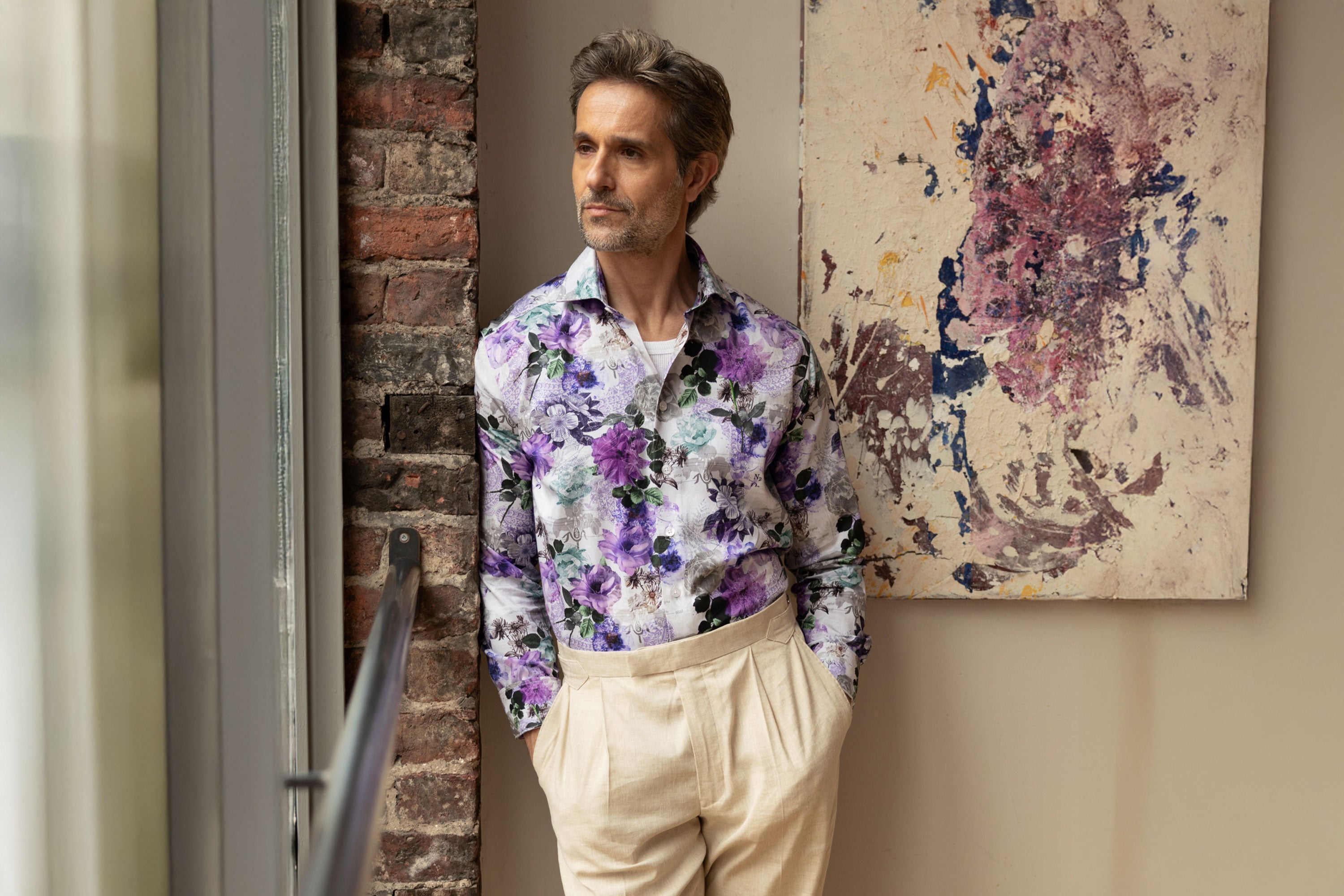
For statement shirts, tailored fit often makes the most sense. A distinctive print already draws the eye. A cut with a bit of shape keeps the shirt refined, so the overall effect feels confident rather than loud for the sake of it.
Regular fit
Regular fit gives more room through the body and sleeves. That does not automatically mean oversized. A good regular fit should still sit neatly at the shoulders and fall cleanly from the chest.
This cut suits men who prioritise comfort, prefer classic proportions or want a shirt that feels easy to wear all day. It is also useful if you plan to wear the shirt open over a T-shirt or styled more casually with chinos, denim or shorts.
The trade-off is that regular fit can sometimes look less precise, especially under sharper tailoring. If the fabric is very lightweight or the shirt is long in the body, too much room can make the silhouette feel softer than intended. That is not always a problem. It depends on the look you are after.
Relaxed fit
Relaxed fit is cut with more ease again, often with a looser body and a more casual drape. This is less about formality and more about attitude.
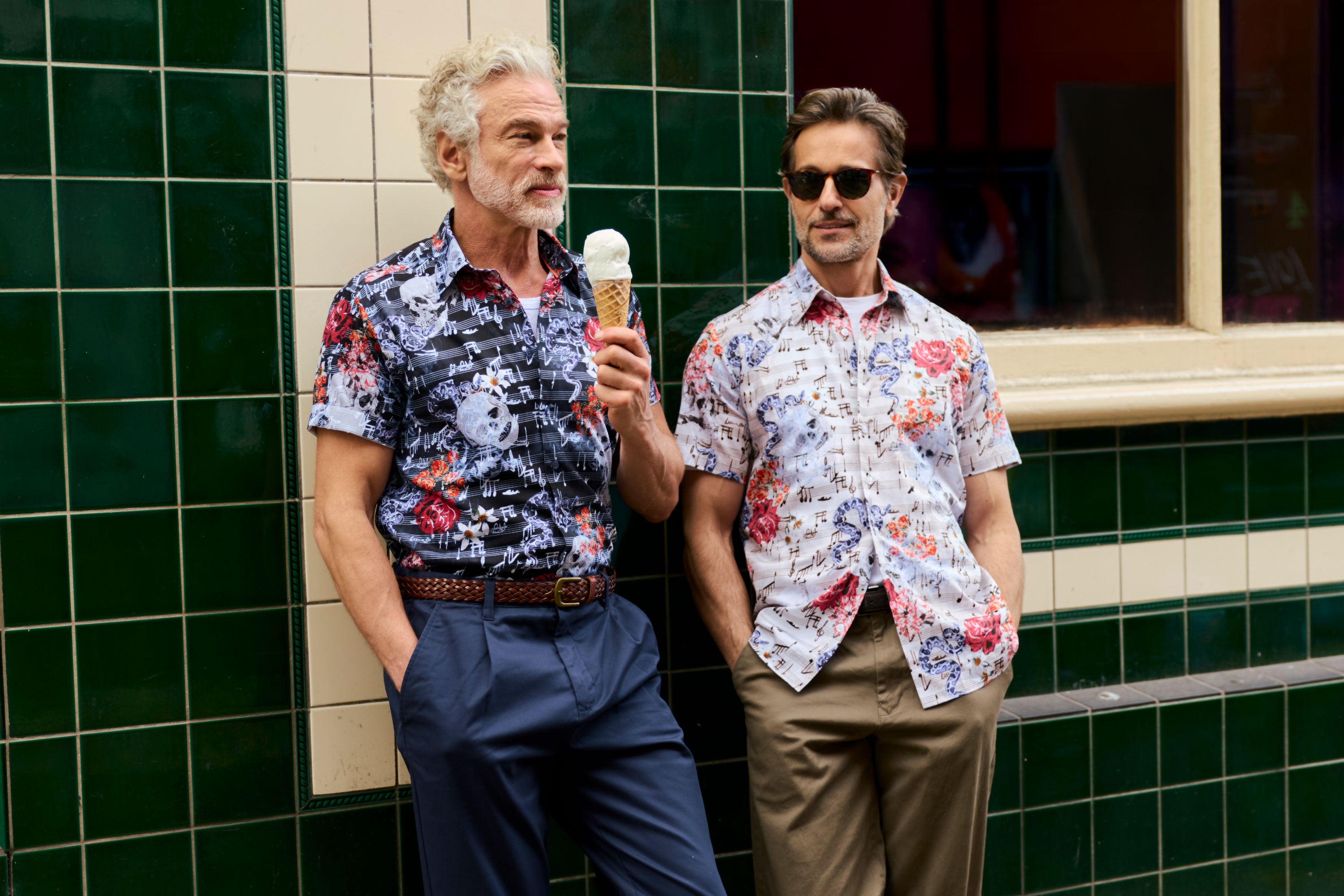
A relaxed shirt works well in warmer weather, for off-duty dressing or when you want a shirt to feel expressive and effortless rather than buttoned-up. It can look especially strong in short sleeve styles, textured fabrics and bolder prints where movement and shape add to the appeal.
The risk is losing definition. If you go relaxed, the shirt still needs a clean shoulder line and the right length. Otherwise, it tips from modern into shapeless. Relaxed should look intentional.
How a shirt should fit in the key areas
The shoulder seam should sit close to the edge of your shoulder. This is the anchor point. If the shoulder is too narrow, the shirt will pull across the upper arm and back. Too wide, and the whole shirt starts to look borrowed.
Across the chest, you want enough room to move without the buttons straining. Sit down, reach forward and turn slightly. If the shirt pulls open, it is too tight. If there is a lot of extra fabric standing away from the body, it is too loose.
The collar should sit comfortably when fastened. You should be able to fit a finger or two inside without feeling squeezed. A collar that is too tight is distracting. One that is too loose can make even a good shirt look off.
Sleeves should finish around the break of the wrist. If they ride up noticeably when your arms move, they are short. If they bunch heavily at the cuff, they are long. For smarter wear, precision matters here more than many men realise.
Through the waist, look for shape, not cling. The shirt should follow the line of your body without gripping it. This is where tailored cuts usually earn their place.
Length matters too. If you plan to wear a shirt untucked, it should finish neatly around mid-fly level. Too long and it looks untidy. Too short and it can appear cropped, especially when you move. Shirts designed for tucking can be longer by design, so it helps to think about styling before you buy.
Choosing the right fit for your style
If your wardrobe leans sharper, with blazers, tailored trousers and polished casual pieces, slim or tailored fits usually make the strongest case. They keep the silhouette clean and work well when details need to feel intentional.
If your style is more relaxed, regular or relaxed fits can look better because they bring ease to the outfit. This is particularly true with short sleeve shirts, weekend dressing and bolder patterns that are meant to feel expressive rather than formal.
There is also the print factor. A statement shirt with a close cut looks sleeker and more directional. The same shirt in a roomier fit feels more casual and artistic. Neither is better. It depends on whether you want the look to land as refined or laid-back.
Common fit mistakes
The most common mistake is buying too tight in the hope of looking trimmer. A shirt that strains at the buttons or clings at the midsection does the opposite. It makes the fit look stressed and the proportions feel less considered.
Another mistake is overlooking the shoulder because the body feels comfortable. If the shoulder is wrong, the shirt rarely recovers. You may also see men choose extra room to compensate for one area, then end up with too much fabric everywhere else.
Length gets missed often, especially when shirts are worn untucked. A beautifully cut shirt can still look wrong if it is too long for the outfit. The same goes for sleeve length. Small adjustments in these areas make a bigger difference than most men expect.
A better way to shop shirt fits
Start with the shoulder and chest, because those are hardest to fake. Then assess the waist, sleeve and length based on how you actually wear shirts. Not how you think you should wear them, but how they fit into your life.
If you dress across smart and casual settings, a tailored fit is often the most versatile place to start. If you know you prefer cleaner lines, go slim, but only if it still feels comfortable through the back and chest. If you want ease and personality, especially in a standout print, regular or relaxed can be the stronger call.
The best shirts do not just fit your body. They fit your style, your routine and the impression you want to make. That is where shape stops being a technical detail and starts becoming part of your signature.
At Blake Mill, that matters. A shirt with character deserves a fit that lets it speak clearly. Choose the one that gives you presence, not just practicality, and getting dressed becomes a lot more interesting.