

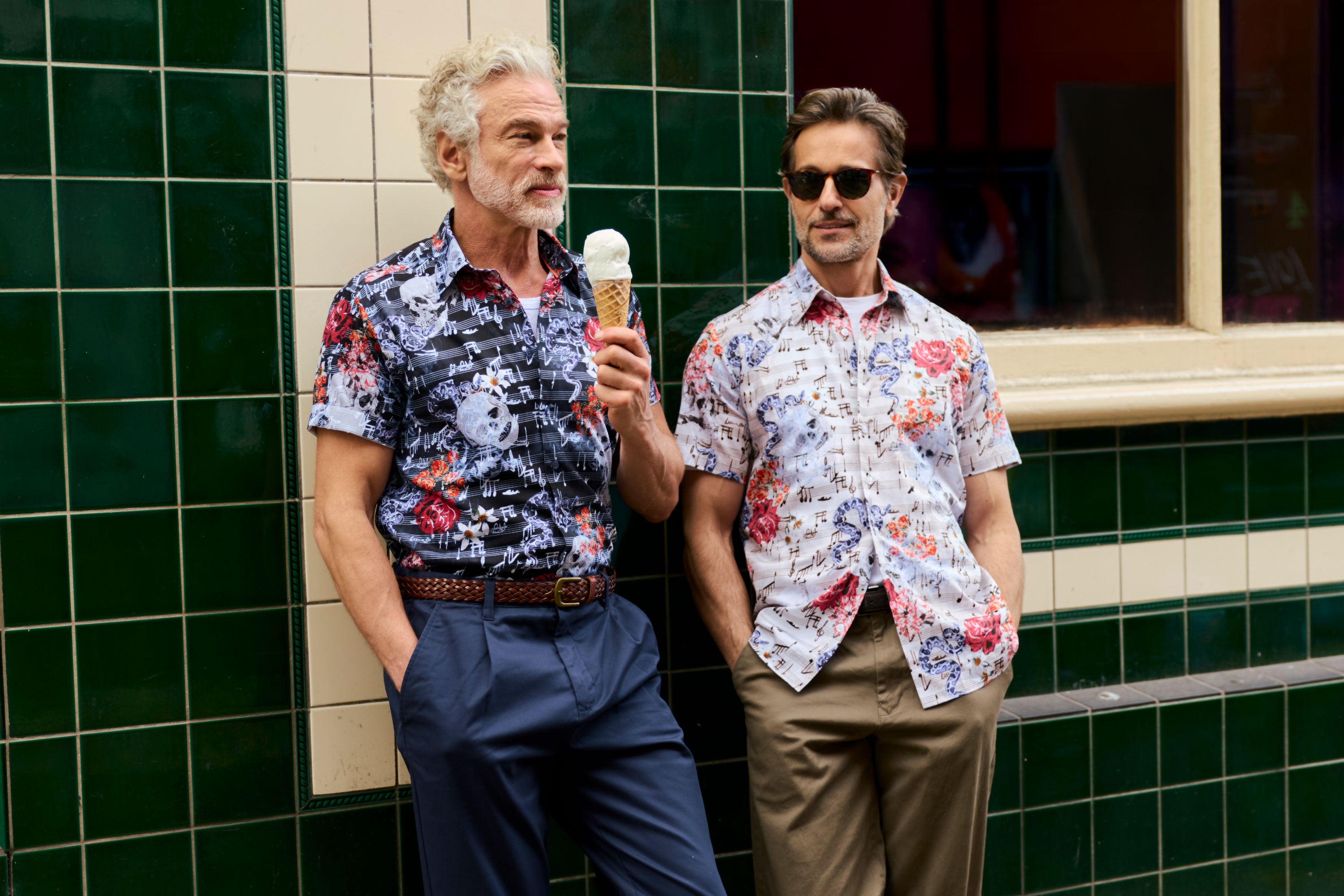
A Guide to Shirt Alterations That Fit Right
A standout shirt should look intentional from every angle. If the collar sits proud, the sleeves swamp your wrists or the body balloons when tucked in, even the strongest print loses some of its impact. This guide to shirt alterations explains what a good tailor can change, what is best left alone, and how to get a fit that lets your personal style do the talking.
A shirt does not need to be skin-tight to look sharp. The aim is clean proportion: enough room to move, a shoulder line that lands where it should, and a shape that follows your frame without pulling across the chest. That balance matters even more with distinctive shirts, where the design deserves a confident canvas.
Start with the fit, not the size on the label
Shirt sizing is a starting point, not a verdict. Two shirts marked medium can fit entirely differently depending on the cut, fabric, collar construction and intended silhouette. Before booking an alteration, put the shirt on with the trousers and shoes you are most likely to wear it with. A shirt worn open over a tee calls for different proportions from one you will button up for a dinner, wedding or day at the office.
Check the shoulders first. The shoulder seam should sit close to the point where your shoulder naturally ends. If it drops well down the upper arm, the shirt will look oversized no matter how neatly the waist is taken in. If it sits too far in, the shirt can restrict your reach and pull across the back.
Then assess the collar. You should be able to fasten it comfortably with enough room for a finger or two at the neck. A collar that is too tight is rarely worth trying to rescue, while one that is slightly roomy can often still look considered when worn open. Finally, look at sleeve length, body length and excess fabric around the waist. These are the areas where a skilled alteration can make a real difference.
The shirt alterations worth making
The most successful changes refine the existing shape instead of trying to turn one shirt size into another. A tailor can make a good shirt feel exceptional, but there are limits built into its original construction.
Taking in the body
Taking in the side seams is one of the most effective shirt alterations. It removes excess fabric through the waist and lower torso, creating a cleaner line when the shirt is worn untucked or tucked in. For a sharp smart-casual look, this is often the first adjustment to consider.
The trade-off is movement. Ask for too much suppression and the buttons may pull when you sit, reach or eat. If you have a broader chest and narrower waist, a gentle taper usually looks better than an aggressively fitted result. Your tailor may also adjust the back seam or darts, but this depends on the shirt's pattern and whether the design will still sit cleanly afterwards.
Shortening the sleeves
Sleeve length has an outsized effect on how polished a shirt looks. On a long-sleeve shirt, the cuff should usually finish around the base of the thumb when your arms are relaxed. Too much extra length makes the entire shirt appear borrowed rather than chosen.
A tailor can shorten sleeves from the cuff end, preserving the shoulder and armhole. This is relatively straightforward, although details such as plackets, contrast fabric and unusual cuff shapes can add complexity. If your shirt has bold printed cuffs or carefully placed design features, show the tailor exactly how you wear it before they begin.
Shortening the body
A shirt that hangs too low can throw off the proportions of your outfit, particularly with slim trousers, tailored shorts or a casual overshirt layer. Hemming the body can make an untucked shirt look more deliberate.
This is not always the right move. A curved hem is designed to offer coverage when tucked in, and cutting it too short can leave it escaping your waistband whenever you move. As a rule, shorten an untucked casual shirt with care, but retain more length in a shirt you plan to wear tucked into chinos or tailoring.
Adjusting the sleeve width
Loose sleeves can be narrowed for a neater shape, especially if the shirt is otherwise a strong fit. This works best when there is excess fabric throughout the arm, not just at the cuff. A good tailor will preserve enough room to bend your elbow and roll your sleeves without strain.
Be cautious with very slim sleeves. The arm needs freedom, and a sleeve that looks perfect in front of the mirror can feel uncomfortable after an hour at a table or on a train. Style should move with you.
Alterations that need more thought
Some changes are possible but less predictable, more expensive or simply not worth doing. The shoulder width is the big one. Narrowing shoulders means rebuilding the upper shirt and resetting the sleeves, which can affect the chest, collar and sleeve pitch. It is specialist work, and the finish may not justify the cost unless the shirt is genuinely exceptional.
Making a shirt substantially larger is also difficult. There is only so much seam allowance available, and adding panels will alter the original design. This is particularly noticeable on geometric prints, stripes and artwork-led fabric, where a new seam can interrupt the visual flow.
Collar alterations are another judgement call. A collar can sometimes be adjusted, but changing its size or shape can be more involved than it sounds. If a collar is wrong for you from the start, it is usually better to choose a different fit next time than force a complicated repair.
Bold prints need a considered approach
With a plain white shirt, a seam can disappear into the background. With expressive prints, every adjustment deserves closer attention. Pattern matching matters at the side seams, sleeves and pockets. A skilled tailor will look at where a motif lands before taking in the body or shortening a sleeve.
This does not mean avoiding alterations on printed shirts. It means choosing the right alteration. Taking in the waist can be excellent if it maintains the energy of the print. Shortening the body can work well if the hem design is not central to the shirt's character. But removing a chest pocket, shifting a placket or heavily reshaping the shoulders may break up a design that was intended to be seen as a whole.
Bring the shirt freshly laundered and pressed, then try it on in good light. Pinning should happen while you stand naturally, not while you hold your stomach in or pose at an angle. Tell the tailor whether you wear it tucked in, layered, buttoned to the collar or relaxed with the top buttons open. Those details shape the right decision.
What to tell your tailor
The clearest brief is visual and practical. Rather than asking to make it slimmer, explain where the shirt feels too full and how you want to wear it. Mention if you need room for commuting, cycling, reaching for a pint or wearing the shirt through a long event.
If you own a shirt that fits brilliantly, take it with you. It gives the tailor a useful reference for sleeve length, body shape and overall balance. Try not to copy it blindly, though. A crisp Oxford, a lightweight summer shirt and a printed cotton shirt will each behave differently.
Ask what will happen to the original details. Will the cuff placement remain balanced? Can the side seams be adjusted without distorting the print? Will shortening the hem affect the shirt's ability to stay tucked in? A good tailor will answer plainly and tell you when an alteration is not the smart investment.
Know when to leave the shirt alone
Not every shirt needs surgery. A relaxed cut can look purposeful with wider-leg trousers, denim or shorts, especially when the fabric has movement. Likewise, a close-fitting shirt may be better saved for occasions when you will not need to wear it all day.
The best alteration is often modest. A little length removed from the sleeve, a gentle taper through the body or a slight adjustment to the hem can turn a good piece into one you reach for constantly. That is the appeal of a shirt that fits properly: the colour, print and detail get the attention, while the fit quietly makes the whole look feel like yours.
Next time you find a shirt with real character, do not dismiss it because one proportion is slightly off. Choose the right size at the shoulders, work with a trusted tailor where it counts, and let the finished fit give your style the clean, confident edge it deserves.

