How to Style Oxford Shirts for Any Occasion
A good Oxford shirt earns its place by doing more than one job. It should handle a Monday meeting, a Friday dinner and a Sunday pub lunch without looking like it belongs to three different men. That is exactly why knowing how to style Oxford shirts matters. Done well, they give you structure without stiffness and personality without trying too hard.
The Oxford shirt has always sat in that sweet spot between formal and relaxed. The woven fabric gives it substance, while the button-down collar keeps things grounded. It is cleaner than a tee, easier than a dress shirt and far more versatile than men often give it credit for. The trick is not just owning one. It is knowing how to wear it with intent.
How to style Oxford shirts without looking predictable
The quickest way to flatten an Oxford shirt is to treat it like a default. Blue shirt, dark jeans, same trainers, repeat. There is nothing wrong with simple, but there is a difference between effortless and forgettable.
Start with fit. If the shoulders are too wide or the body is too loose, the whole look drops away from polished into shapeless. If it is too tight, the heavier Oxford cloth can feel restrictive and overworked. You want enough room to move, with a line that still looks clean when worn untucked or under a jacket. A good Oxford should skim the body, not cling to it.
Then think about texture and contrast. Oxford cloth already has visual character, so it works best when the rest of the outfit gives it something to play against. Smooth tailored trousers sharpen it up. Denim roughens it slightly. Chinos keep it easy. Layering matters too. A fine knit, an overshirt or an unstructured blazer can change the entire mood without overcomplicating the outfit.
Colour does a lot of the heavy lifting. White and pale blue are the obvious choices because they are reliable, but they are not the only choices worth making. Stripe, deeper navy, muted pink or subtle pattern can move the shirt from safe to distinctive. If your style leans more expressive, this is where an Oxford shirt becomes useful rather than basic.
Oxford shirts for work
For work, the Oxford shirt is at its best when the office dress code sits somewhere between formal tailoring and full casual. It brings polish, but it does not feel corporate in the wrong way. That makes it ideal for modern workplaces where you still want to look switched on.
A white or pale blue Oxford with tailored navy or charcoal trousers is a strong place to start. Add loafers or clean leather brogues and the look feels considered without becoming stiff. If you wear a blazer, keep it soft in construction. An unstructured jacket works with the texture of the shirt far better than anything too sharp or glossy.
If your workplace is more relaxed, swap the tailored trouser for a well-cut chino. Stone, olive and navy all work well here. Brown suede footwear keeps the outfit grounded and less boardroom-heavy. You still look smart, just not overdone.
This is also where detail matters. A button-down collar should sit neatly whether you are wearing it open at the neck or with a tie. Yes, you can wear an Oxford shirt with a tie, but it depends on the shirt. A finer Oxford in a crisp fit can handle knit ties or textured silk well. A chunkier casual Oxford with a soft roll collar is better left open.
How to style Oxford shirts at the weekend
Weekend dressing is where the Oxford shirt really opens up. It has enough structure to make you look pulled together, but enough ease to avoid looking like you are headed somewhere you do not want to be.
With denim, the key is contrast. A light Oxford shirt with dark indigo jeans is clean and classic. A darker Oxford with washed denim feels more relaxed. Straight or slim cuts tend to work best because they balance the shirt’s slightly more substantial fabric. Finish with white trainers, suede desert boots or loafers depending on how sharp you want to go.
Chinos are just as reliable, but they give a different energy. An Oxford shirt with ecru or tobacco chinos feels more styled than standard blue-and-beige. If you want a slightly bolder edge, go for richer tones below the waist and keep the shirt cleaner on top. It gives the outfit confidence without noise.
Untucked styling works well at weekends, but only if the shirt length is right. If it drops too far below the hip, it starts to look borrowed rather than relaxed. If the hem sits properly, wearing it untucked with rolled sleeves can look easy in the best way.
Layering gives you more range. Throw an Oxford under a crew-neck jumper so the collar and hem show slightly. Wear it open over a plain tee for a more casual look. Add a lightweight jacket when the weather turns. Each version keeps the shirt in play, just with a different level of intent.
Evening outfits that feel sharper
Oxford shirts are often overlooked for evenings because men assume they are too casual. In reality, they are often more useful than a dress shirt, especially when the setting is smart-casual and you want to look better than everyone in plain office wear.
For dinner, drinks or an event with no strict dress code, try a darker Oxford shirt with tailored trousers and loafers. Navy, black or deep green can look particularly strong under lower lighting. The texture of the fabric stops the darker colour from feeling flat.
If you prefer lighter shirts, use the rest of the outfit to sharpen things up. A pale Oxford with black trousers and a suede bomber has more attitude than the same shirt worn with standard chinos. This is where styling becomes less about the shirt on its own and more about the full look.
A blazer still works in the evening, but keep it modern. Think clean lines, richer fabric and less business energy. You want the shirt to feel part of a stylish outfit, not something rescued from your work wardrobe at the last minute.
Choosing the right Oxford shirt for your style
Not every Oxford shirt does the same job. That matters if you want to build outfits that feel personal rather than formulaic.
A classic white Oxford is the all-rounder. It works across tailoring, denim and layered looks, and it gives you a blank canvas for stronger outerwear or more expressive trousers. Pale blue is almost as versatile, but a touch softer and less stark.
Striped Oxfords bring more movement. They work especially well if you want the shirt to feel considered without becoming loud. If your wardrobe already leans understated, a stripe can be the easiest route into more visual interest.
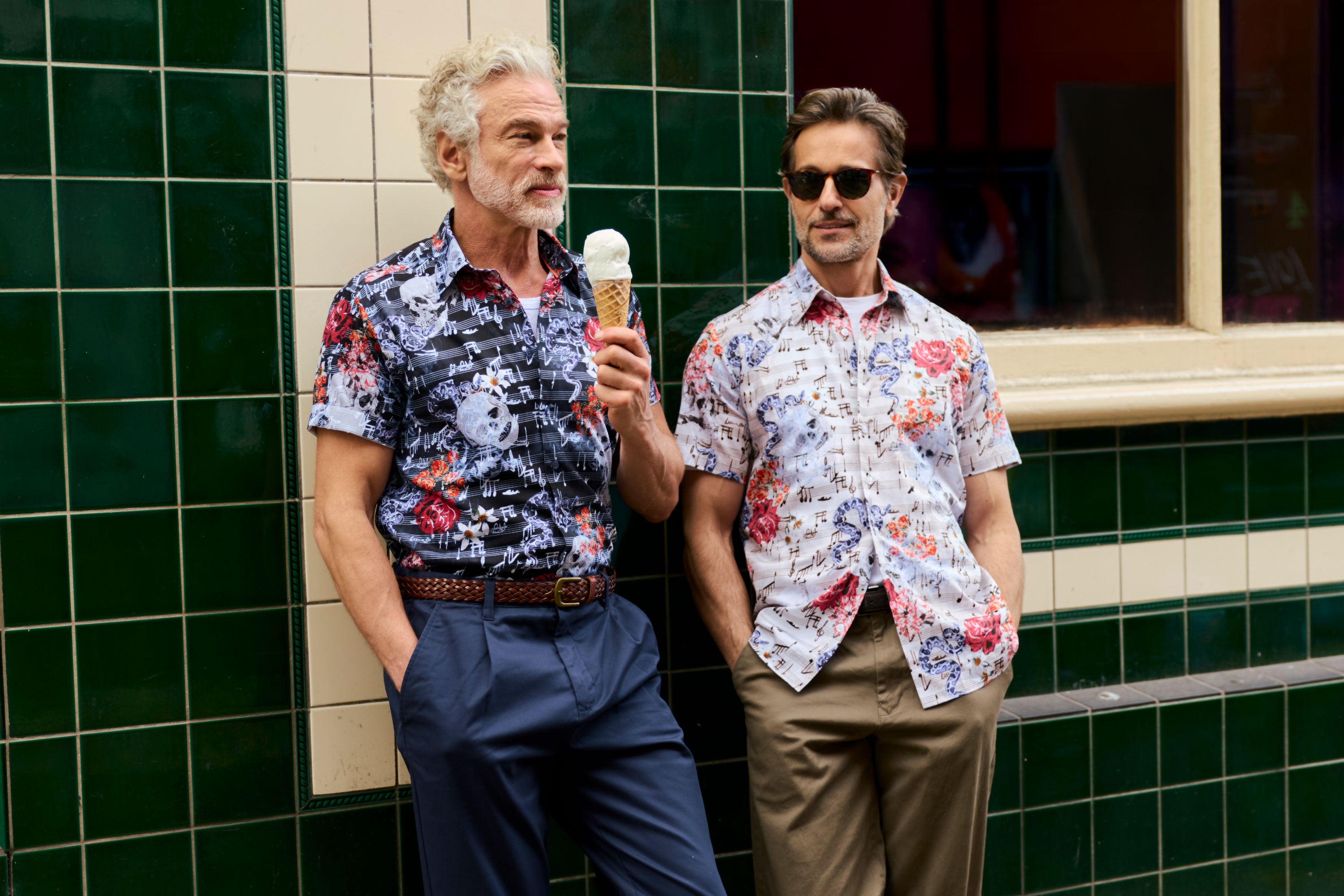
Then there is the more design-led approach. If your style is built around standout pieces, an Oxford shirt with unusual colour, contrast detailing or a bolder finish can do far more than fill a gap in the wardrobe. It becomes the anchor of the look. That is where a brand like Blake Mill has real appeal. The shirt still gives you wearability, but it says more.
Footwear changes the whole look
Men often focus on the shirt and trousers, then treat footwear as an afterthought. That is a mistake. Shoes will decide whether your Oxford outfit lands as sharp, relaxed or somewhere awkward in between.
Loafers are probably the easiest win. They work with tailored trousers, chinos and smarter denim, and they keep the outfit clean. Brogues or Derbies add formality, especially in leather. Trainers can work very well too, but keep them minimal. Bulky running trainers tend to clash with the shirt’s cleaner line.
Boots are useful in cooler months. Chelsea boots make the outfit sleeker. Suede chukka boots make it softer and more casual. Both work, but they tell different stories.
Small styling decisions that make a big difference
Knowing how to style Oxford shirts well often comes down to restraint. One or two good decisions will do more than piling on extra elements.
Think about sleeve position. Fully buttoned cuffs look sharper. Lightly rolled sleeves feel more relaxed and confident. Pay attention to the collar too. A button-down collar should stay tidy, not flap about under a knit or jacket.
Tucking is another choice that changes the tone immediately. Tucked in, the Oxford shirt feels smarter and more intentional. Untucked, it becomes easier and more casual. Neither is better. It depends on the trousers, the setting and how you want to come across.
Most of all, avoid dressing the Oxford shirt as if it has to behave. It is one of the few pieces in menswear that can move between polished and laid-back without losing itself. That range is exactly what makes it worth wearing.
If your wardrobe needs something more versatile but still full of character, start here. An Oxford shirt will meet you at the level you dress it - sharp when you need it, relaxed when you do not, and always better when you wear it like you mean it.