Printed Shirts vs Plain Shirts
You can tell a lot about a man by the shirt he reaches for first. Some go straight for crisp, understated staples. Others want colour, pattern and a bit of presence. When it comes to printed shirts vs plain shirts, the real question is not which is better in absolute terms. It is which one says more about your style, works harder for your wardrobe and feels right for the moment.
A good shirt does more than fill a gap on the rail. It sharpens your look, changes the energy of an outfit and gives you a stronger sense of identity. That is why this choice matters. Printed and plain shirts both earn their place, but they do very different jobs.
Printed shirts vs plain shirts: what sets them apart?
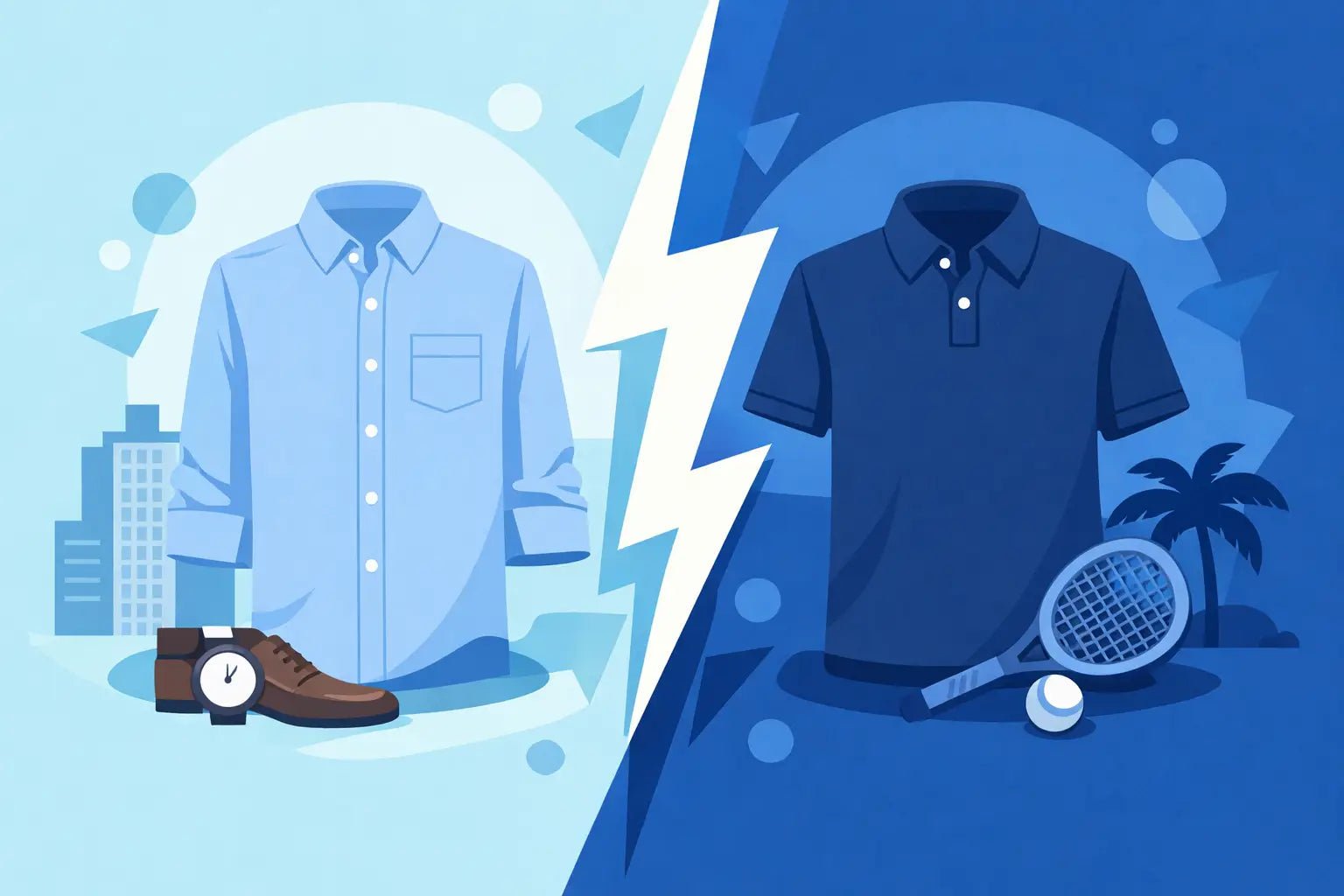
Plain shirts are built on restraint. They rely on cut, fabric and colour rather than visual detail. A white Oxford, a pale blue button-down or a black shirt in a clean finish all project confidence through simplicity. They are easy to style, easy to repeat and rarely feel out of place.
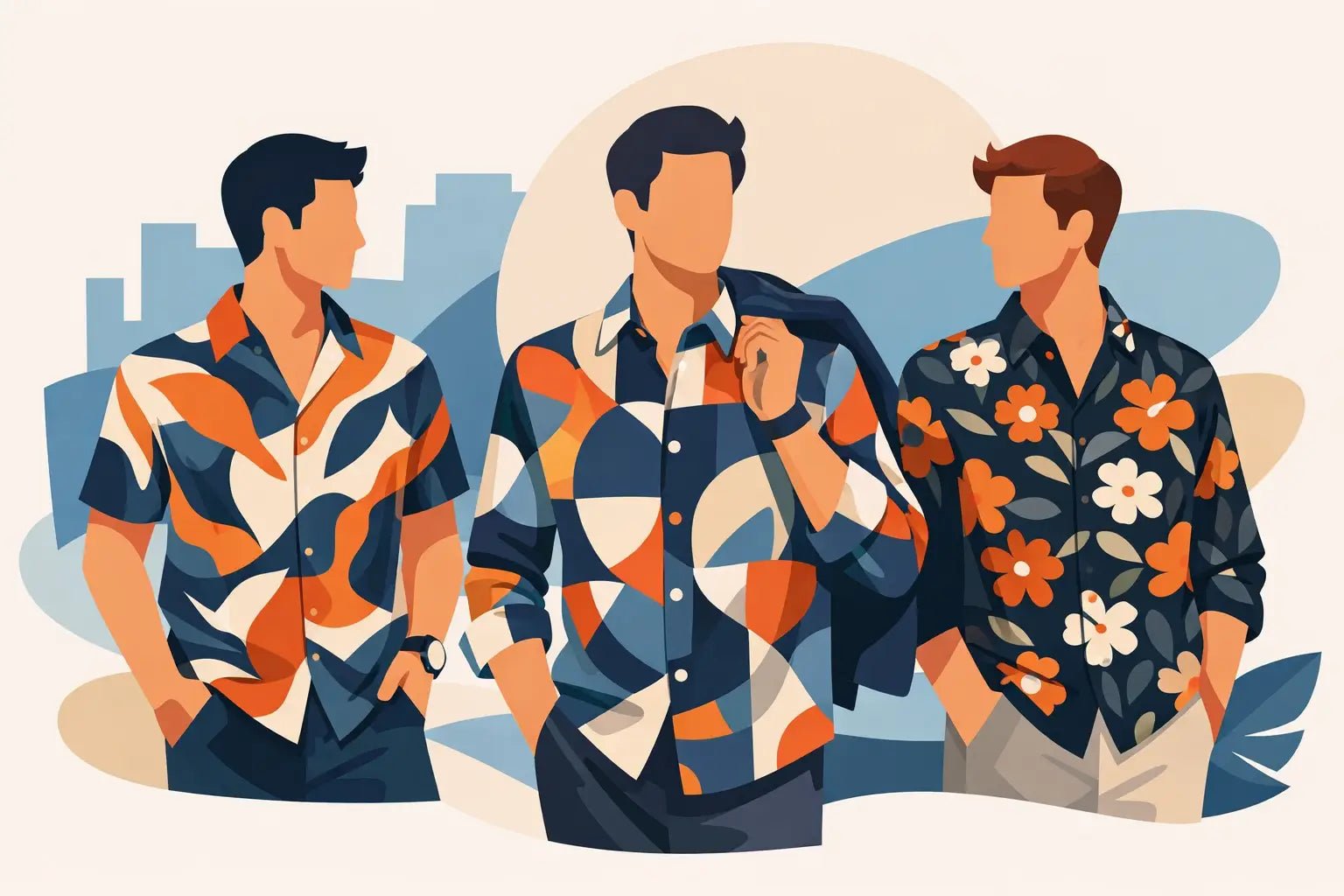
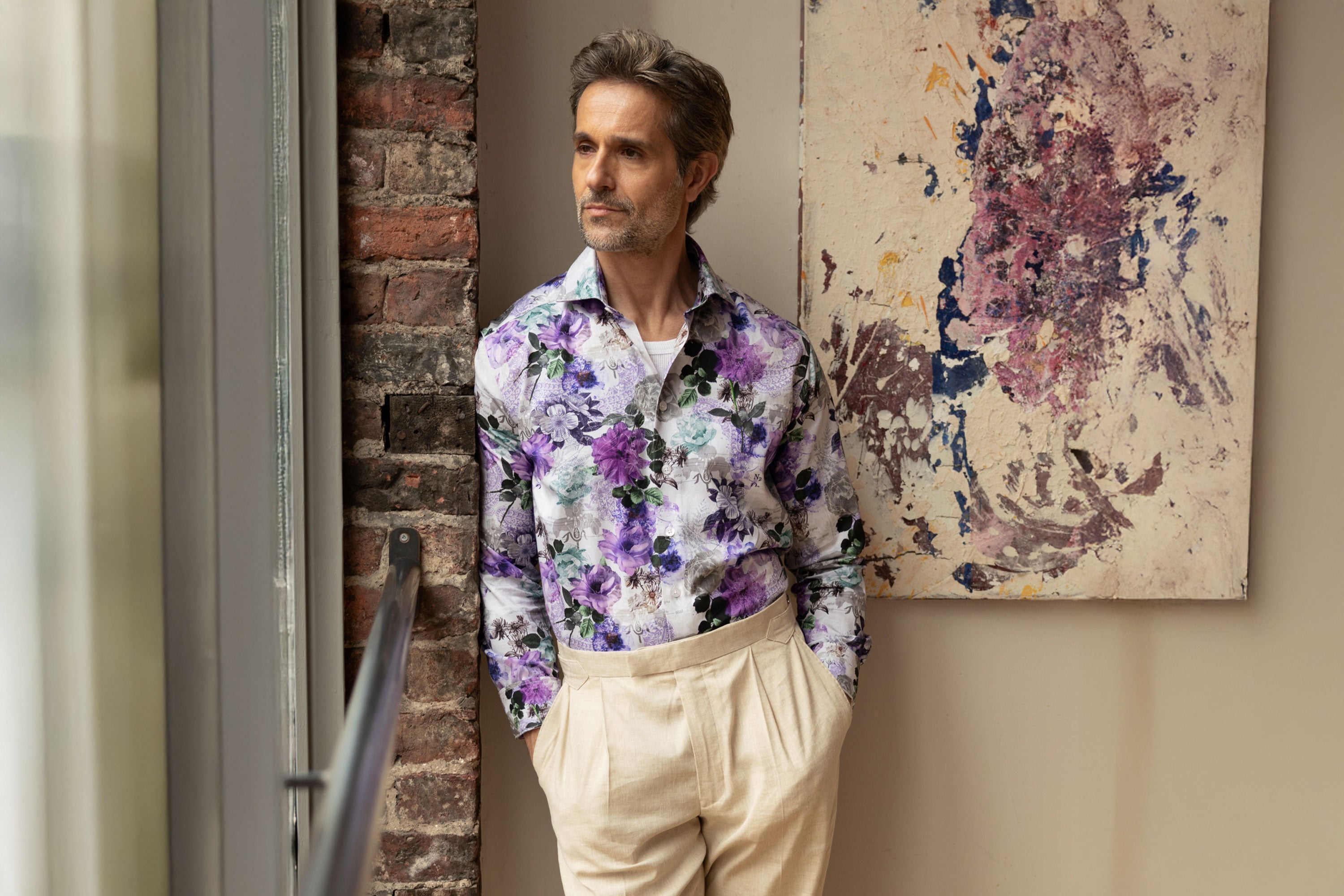
Printed shirts work differently. They bring character to the front. Pattern, contrast and design do more of the talking, which means the rest of the outfit can stay clean and controlled. A strong print can turn a straightforward look into something memorable without needing extra layers or accessories.
That difference is what makes the debate interesting. Plain shirts are often chosen for versatility. Printed shirts are chosen for impact. One is quiet confidence. The other is visible personality.
When plain shirts make more sense
There is a reason plain shirts remain a menswear constant. They are reliable, polished and adaptable across settings. If your week moves between office days, dinners, family occasions and the odd last-minute plan, a plain shirt can cover a lot of ground with minimal effort.
They are especially useful when the rest of your outfit is already doing enough. Tailored trousers, textured outerwear or statement footwear often sit better with a shirt that does not compete for attention. In that context, plain does not mean dull. It means balanced.
They also tend to feel safer in more formal or conservative environments. If you work in a setting where dress codes still lean traditional, a plain shirt gives you room to look sharp without second-guessing whether you have pushed too far. Navy, white, charcoal and muted tones all signal control and consistency.
There is also the matter of repeat wear. A plain shirt can be worn several ways and remembered less vividly, which for some men is a plus. If you want one shirt to work under a blazer, open over a tee or tucked into chinos, plain designs usually offer more mileage.
Where printed shirts pull ahead
Printed shirts come into their own when style is meant to be seen, not just assembled. They are for men who want their clothes to feel considered, distinctive and a touch more expressive than the standard high street uniform.
A well-designed print can do what a plain shirt cannot. It creates instant interest. It draws the eye. It tells people you have made a choice rather than reached for the default option. That matters at social events, dinners, holidays, creative workplaces and smart-casual settings where personal style carries weight.
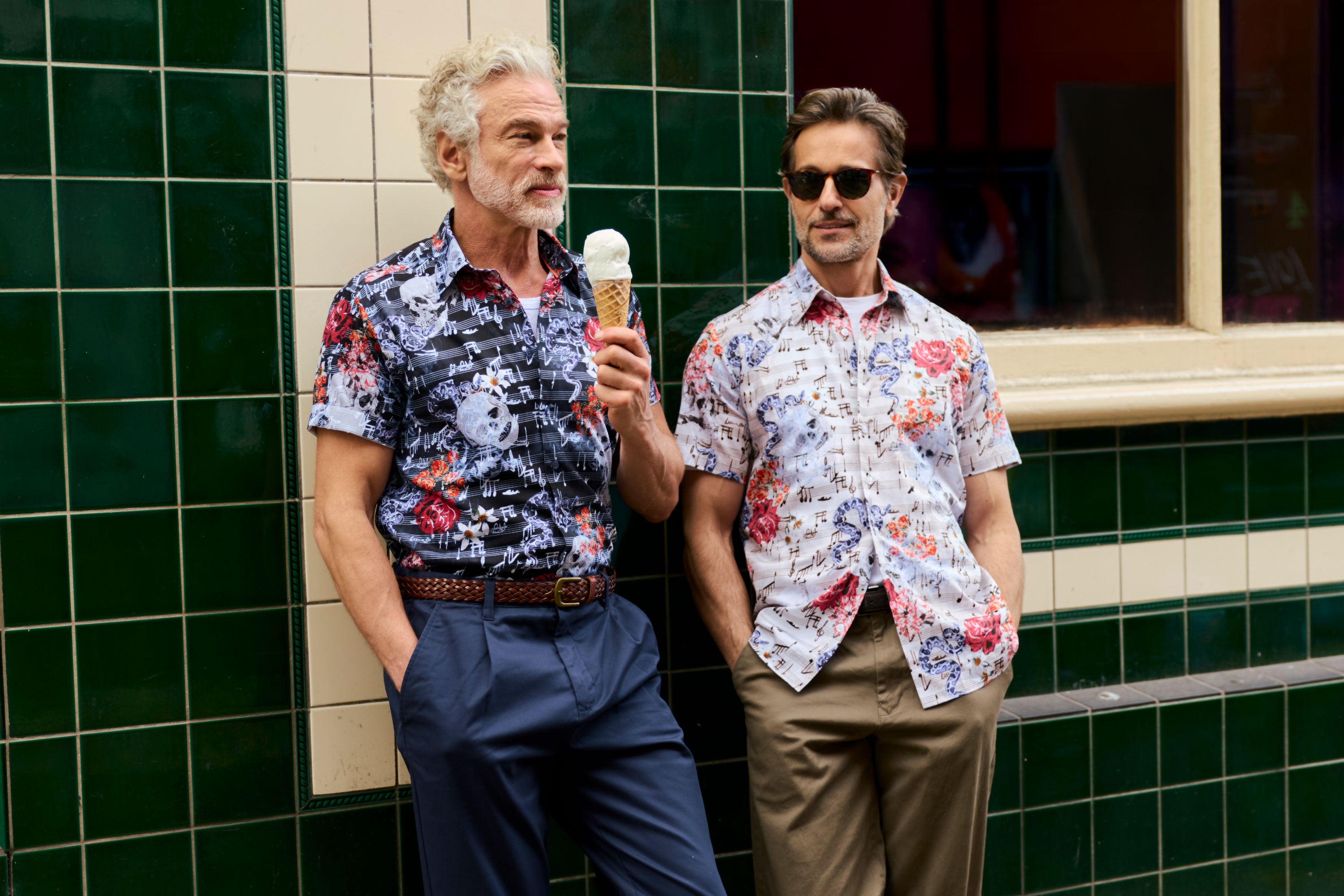
Printed shirts are also surprisingly efficient. You do not need complicated styling when the shirt already has presence. Pair it with dark denim, tailored shorts or neutral trousers and the outfit is largely done. The print becomes the focal point, which makes getting dressed simpler than many men expect.
This is where quality matters. Not all prints are equal. The best ones feel intentional rather than loud for the sake of it. They have depth, shape and balance. They stand out, but they still look refined. That is the difference between a shirt with personality and a shirt wearing you.
Versatility is not always what you think
Plain shirts usually win the versatility argument on paper, but real wardrobes are not built on theory. They are built on what you genuinely enjoy wearing.
If you feel your best in distinctive pieces, a printed shirt may actually prove more useful than a plain one. Why? Because you will reach for it more often. A shirt that makes you feel confident tends to leave the hanger more than a technically versatile option that leaves you feeling anonymous.
At the same time, not every printed shirt works in every setting. A bold geometric design for a Friday night may be less suitable for a client meeting on Tuesday morning. Likewise, a plain white shirt may be perfect for a wedding but forgettable for a birthday dinner where you want more edge.
The smartest wardrobes are not built around one side winning. They are built around knowing which role each shirt plays.
Fit and fabric matter more than the pattern
This is where many men get it wrong. They focus on whether a shirt is printed or plain, then ignore the things that actually determine whether it looks good on the body.
A plain shirt in a poor fit will look flat and slightly off, no matter how premium the fabric. A printed shirt in the wrong cut can feel busy and awkward instead of confident. Shoulders need to sit correctly. Sleeves should finish neatly. The shape should flatter without pulling or billowing.
Fabric changes the impression too. A crisp cotton plain shirt feels cleaner and more formal than a softer brushed finish. A printed shirt on a quality base cloth looks sharper, richer and easier to dress up. Texture, weight and drape all influence whether the shirt feels premium or forgettable.
That is why the printed shirts vs plain shirts decision should never be made in isolation. Start with fit. Then consider fabric. Then decide whether you want subtlety or statement.
How to style each without overthinking it
Plain shirts work best when you use them to create structure. A white or pale blue shirt with dark trousers and loafers gives a clean, dependable finish. A black plain shirt with tailored trousers and minimal trainers adds a more modern edge. If the shirt is simple, the silhouette and fabric contrast become more important.
Printed shirts need a steadier hand, but not a timid one. Keep the supporting pieces simple and let the shirt lead. Neutral chinos, dark jeans, plain shorts and unfussy jackets all help the print stay intentional. You do not need to mute your style. You just need one clear focal point.
If you are new to printed shirts, start with designs that have definition rather than chaos. Geometric patterns, controlled florals or tonal prints can feel bold without becoming difficult to wear. If you already know your style leans expressive, stronger colour and more graphic designs can become signatures rather than occasional pieces.
Dress codes, confidence and personal style
Part of this decision comes down to context, but a larger part comes down to confidence. The same shirt can look restrained on one man and full of character on another. Clothes do not create personality from nowhere, but they can amplify what is already there.
Plain shirts are often chosen by men who prefer to communicate style through precision. Everything fits. Everything is intentional. Nothing shouts. Printed shirts are often chosen by men who enjoy making a stronger first impression. They want detail, originality and a look that does not dissolve into the background.
Neither instinct is wrong. The mistake is dressing against your own preferences because you think one option is more acceptable. If you naturally gravitate towards visual interest, forcing yourself into nothing but basics can leave your wardrobe feeling lifeless. If you prefer cleaner lines, wearing a print that feels unlike you will show.
The strongest style usually sits where self-awareness meets occasion. You know who you are, and you know when to turn the volume up or down.
So which should you buy more of?
If your wardrobe is light on foundations, plain shirts still matter. They create the base layer for smarter dressing and make the rest of your clothes easier to rotate. Start there if you have gaps.
But if your basics are already covered, printed shirts often add more value. They bring freshness to your wardrobe, give you more memorable outfit options and stop everything looking interchangeable. For men who care about personal style, that shift can make a bigger difference than buying another safe shirt in another safe shade.
That is where a brand like Blake Mill has carved out its space - not by repeating the ordinary, but by giving men sharper ways to stand out through one-of-a-kind print design.
In the end, the best shirt is not the one that follows convention most closely. It is the one that makes you look more like yourself, only better dressed.