How to Spot Premium Shirting Before You Buy
A shirt can look sharp under shop lighting, then lose its appeal after two wears and a wash. Knowing how to spot premium shirting means looking beyond a striking colourway or a familiar label. The real difference is in the fabric against your skin, the way the collar holds its line, the precision of the pattern and the confidence it gives you when you put it on.
Premium does not have to mean formal, plain or overly precious. A great printed shirt should still make an entrance. It simply needs the quality to back up the design.
How to Spot Premium Shirting in the Fabric
Start with the cloth. It is the part you will notice all day, and it is where a shirt either earns repeat wear or stays at the back of the wardrobe.
Good cotton feels smooth, substantial and breathable without being stiff. Run the fabric between your fingers. Premium shirting often has a clean, even surface with a little body to it, rather than a thin, papery feel. That does not mean every excellent shirt is heavy. A refined poplin can be light and crisp, while an Oxford has more texture and a relaxed, dependable weight. The key is that the fabric feels intentional.
Look closely at the weave too. A tight, consistent weave suggests care in both yarn selection and finishing. Hold the shirt up to the light. Some transparency is normal in lighter colours and summer-weight cloths, but excessive sheerness can be a sign that the material has been chosen to meet a price point rather than perform over time.
Natural fibres are usually a strong starting point, particularly cotton. They breathe well, soften with wear and suit everything from office days to long dinners. But do not dismiss a fabric simply because it contains a small percentage of stretch fibre. A considered amount of stretch can improve movement and help a fitted shirt keep its shape. It depends on the purpose: a crisp dress shirt and an easy-going weekend shirt should not be judged by exactly the same standard.
The print should belong to the cloth
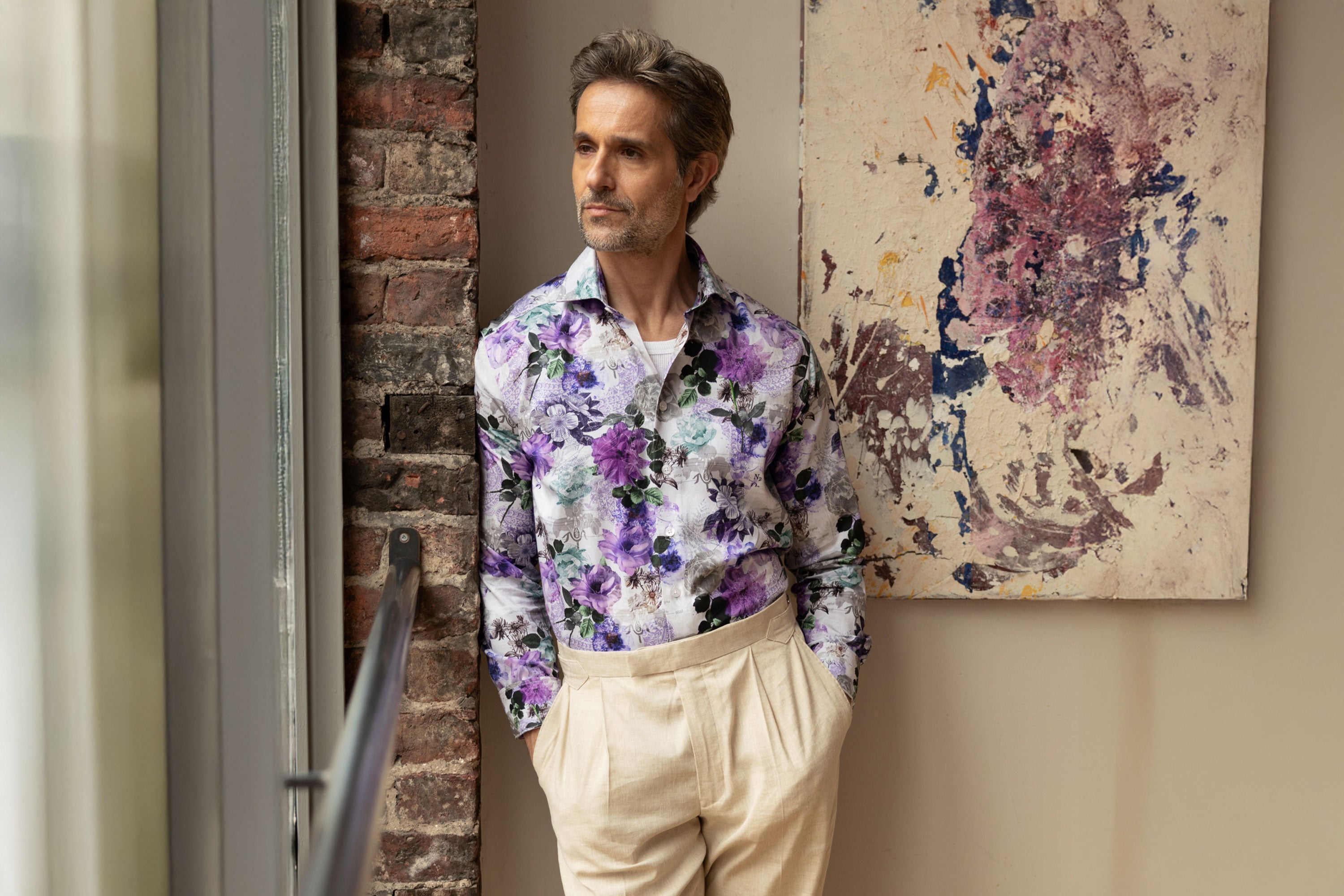
With expressive shirting, print quality matters as much as fabric quality. The colours should look clear and well-set, not flat, blurry or as though they are sitting awkwardly on top of the cloth. Fine details should remain distinct when viewed up close, especially in geometric, floral or artist-led designs.
A premium print has depth. It feels designed for the shirt rather than lifted from a generic surface pattern. Look for considered scale, balanced colour combinations and details that reward a second glance. Bold does not mean chaotic. The strongest statement shirts know exactly where the line is.
Check the Construction, Not Just the Front
A polished front can hide rushed workmanship elsewhere. Turn the shirt over, inspect the inside and look at the details that do the hard work.
The stitching should be straight, tidy and consistent, with no loose threads trailing from seams or buttonholes. Pay attention to high-stress areas: the armholes, side seams, collar points and cuffs. These are the places that reveal whether a shirt has been built for regular wear.
Seams should lie flat rather than twist or pucker. On a quality shirt, the construction looks as good inside as it does outside. French seams, which enclose the raw edge of the fabric, are a particularly neat finish often found on finer shirts, although they are not essential in every style. A casual overshirt or heavier Oxford may use a different seam treatment and still be exceptionally well made.
Buttons are another quiet giveaway. They should be securely attached, evenly spaced and easy to fasten. Better shirts often use more substantial buttons with a pleasing finish, rather than very thin plastic that feels likely to crack. Check the buttonholes too. They should be neatly stitched, properly cut and firm enough to hold the button without pulling.
Pattern matching is a mark of care
On printed, striped or checked shirts, inspect where the fabric meets at the placket, sleeves and side seams. Perfect matching is not always possible, particularly with large-scale artwork or deliberately irregular prints. Still, thoughtful alignment shows that the maker has respected the design rather than treating it as an afterthought.
This matters because a standout print deserves precision. When the pattern flows naturally across the shirt, it looks more considered on the body. When it cuts off abruptly at key seams, even a great design can feel less refined.
Judge the Collar and Cuffs Properly
The collar frames your face. If it collapses, curls or sits unevenly, the whole shirt loses impact.
A premium collar should have enough structure to retain its shape, whether worn open over a T-shirt or buttoned beneath a jacket. It should not feel cardboard-stiff, though. The best collars balance presence with comfort, moving with you rather than fighting your neck.
Check that both collar points are even and that the collar band sits smoothly. On a button-down style, the buttons should be positioned so the collar rolls neatly rather than lying lifelessly flat. On a cutaway or classic point collar, look for a clean line that complements the shirt’s intended mood.
Cuffs deserve the same scrutiny. They should fasten comfortably, sit cleanly at the wrist and keep their shape after a day of movement. A well-finished cuff makes rolling up your sleeves look effortless, which is no small thing when the shirt is doing most of the talking.
Fit Is Where Quality Becomes Personal
Even the finest fabric and construction cannot rescue the wrong fit. Premium shirting should feel flattering without feeling restrictive.
Start with the shoulders. The shoulder seam should sit close to the edge of your own shoulder, not drop halfway down your arm or pull towards your neck. From there, make sure you can move naturally. Reach forward, sit down and lift your arms. A shirt that looks good only when you stand still is not a good shirt.
The chest and back need enough room for ease, especially if you wear your shirts through a full day. Too much fabric can make a sharp print feel shapeless; too little creates pulling across the buttons and disrupts the pattern. The right fit follows your frame while leaving space to breathe.
Length depends on how you plan to wear it. A shirt designed to be tucked in needs more length through the body. A shirt made for untucked styling should finish around the mid-fly area, avoiding both a cropped look and the appearance of a dress shirt left loose by accident. There is no universal best fit. There is only the fit that suits your proportions and your wardrobe.
Do Not Confuse Price With Premium
A high price can reflect excellent fabric, small-run printing and detailed construction. It can also reflect branding, packaging or a trend that will feel dated by next season. Price is one clue, not proof.
Instead, ask whether the shirt offers something you can see and feel: better cloth, a distinctive original print, precise finishing, a useful cut or a combination of all four. A shirt worth paying more for should remain a favourite after the novelty of the first wear has passed.
It is also worth considering cost per wear. A well-made statement shirt might be worn to work, for drinks, on holiday and at weekends with denim or tailored trousers. If it gives you more outfit options and survives regular rotation, it has more value than a cheaper shirt you never quite feel like wearing.
Look for Design With Staying Power
Premium shirting is not about playing safe. A shirt can be bright, graphic or unexpected and still earn a long place in your wardrobe. In fact, the right design often becomes the piece people remember.
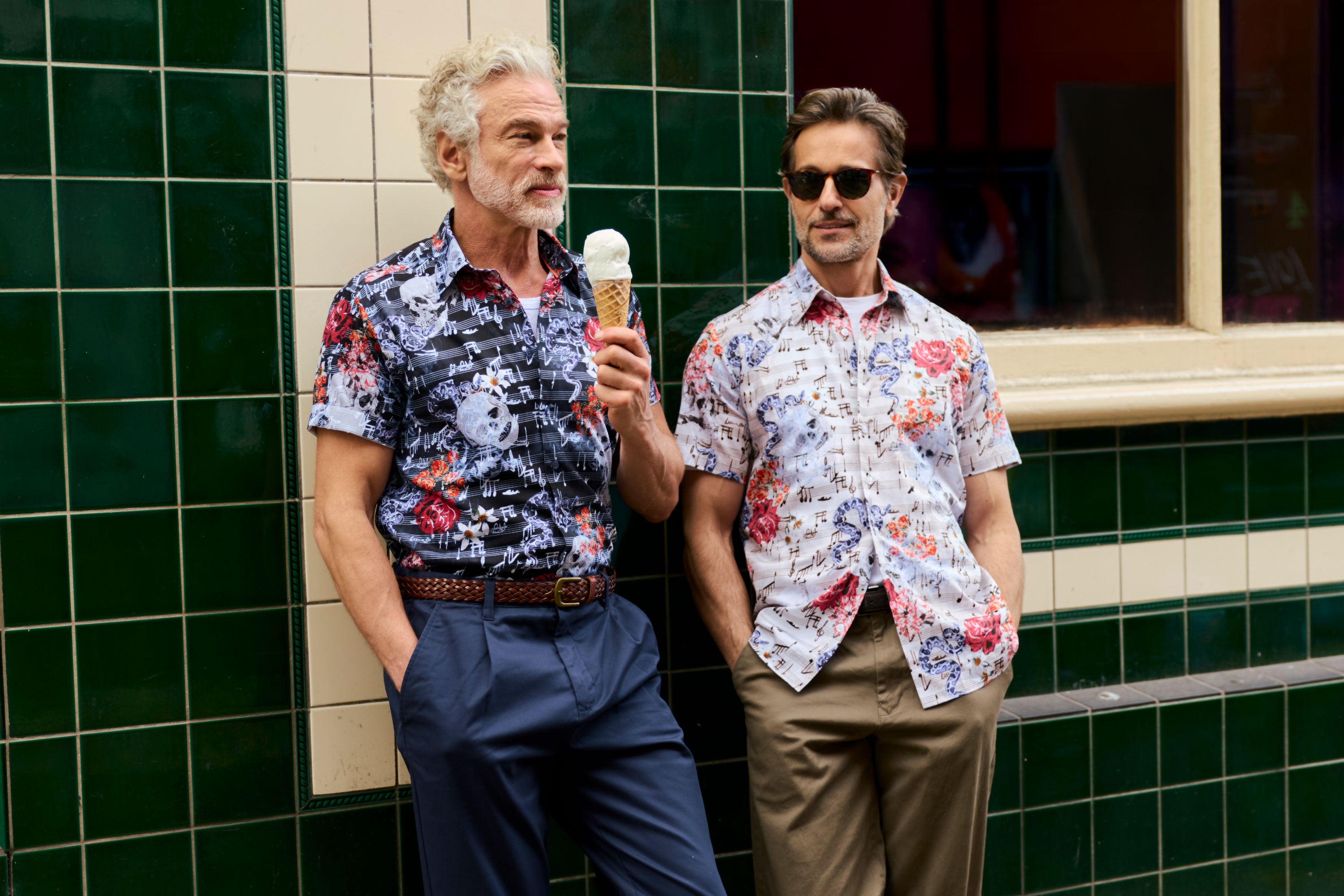
The difference is intention. Consider whether the print works with what you already own. Strong shirts pair easily with quieter foundations: dark denim, navy tailoring, chinos, clean trainers or loafers. They do not need a matching cast of equally loud pieces to make sense.
At Blake Mill, bold shirts are designed to deliver that balance: distinctive enough to change the mood of an outfit, polished enough to wear well beyond one occasion. The best pieces express personality without asking you to dress like someone else.
Finally, check the care label before you commit. A delicate fabric may be worth the extra attention, but it should suit your real life. If you want an everyday shirt, choose one you will be happy to wash, press and wear often. Quality should invite use, not create anxiety.
A premium shirt is the one you reach for when the occasion is vague but you still want to look like yourself. Trust the fabric, inspect the finishing, make sure the fit works and choose a design with a point of view. That is how a shirt becomes more than something to wear - it becomes part of your signature.